
Understanding the Check Engine Light: What It Might Mean
July 9, 2025
Don’t ignore the warning—learn what your check engine light could be telling you and how Houston drivers should respond.
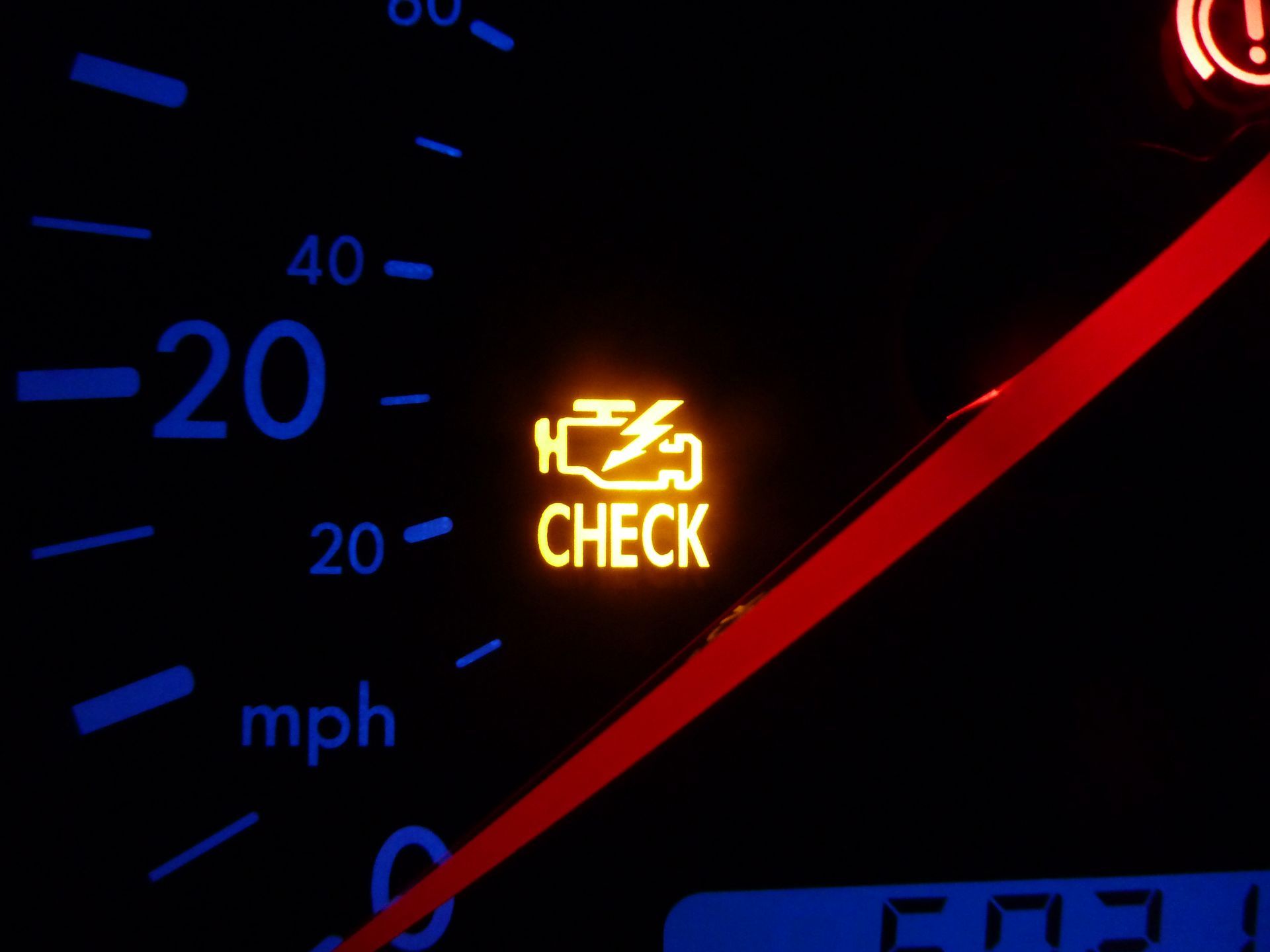
If you're driving through Houston and suddenly see that little orange engine icon light up on your dashboard, don't panic—but don’t ignore it either. The check engine light is your car’s way of saying something isn’t right. Sometimes it’s minor, sometimes it’s serious, but either way, it’s important to have it diagnosed promptly.
What Is the Check Engine Light?
The check engine light is part of your vehicle’s onboard diagnostics (OBD) system. When it detects a problem in the engine, emission, or transmission systems, it triggers the light to alert the driver. Depending on the issue, the light may come on solid or start blinking—both of which have different levels of urgency.
Common Reasons the Check Engine Light Comes On
Here are a few of the most common issues that can trigger the light:
- Loose or Faulty Gas Cap. It may sound simple, but a loose gas cap can disrupt fuel pressure and cause the light to come on.
- Oxygen Sensor Malfunction. This sensor monitors the amount of unburned oxygen in your car’s exhaust. A faulty sensor can affect fuel economy and emissions.
- Faulty Spark Plugs or Ignition Coils. These components are crucial for engine combustion. If they’re not working correctly, your engine may misfire.
- Catalytic Converter Issues. This part reduces harmful emissions, and damage to it can cause poor performance and even engine damage over time.
- Mass Airflow Sensor Failure. The MAF sensor helps the engine computer balance fuel and air. If it fails, your car may run poorly or stall.
Solid vs. Flashing Check Engine Light
Solid Light:
Usually signals a non-emergency issue. You should still get it checked soon, but you can typically drive short distances safely.
Flashing Light:
This indicates a more serious problem—often a misfire that could damage your catalytic converter. It’s best to stop driving and get your vehicle inspected right away.
Why Houston Drivers Should Pay Attention
With Houston's hot temperatures, heavy traffic, and long commutes, minor engine issues can quickly turn into major problems if left unaddressed. A check engine light could also cause your vehicle to fail an emissions test, which is required for many registrations in Harris County and surrounding areas.
What to Do When the Light Comes On
- Check the gas cap first. Tighten it and see if the light goes off after a few drives.
- Pay attention to how the car feels. Any new sounds, smells, or loss of power could signal a more urgent issue.
- Schedule a diagnostic test. At Carmotive, we offer quick check engine light diagnostics to pinpoint the issue and give you peace of mind.
Stay Ahead of Car Trouble in Houston
Don’t let a mystery warning light ruin your week. Carmotive is here to help Houston drivers understand what’s happening under the hood and fix issues before they become expensive repairs.
Stop by for a diagnostic test today, and let’s get your check engine light sorted out.
Discover expert oil change services at Carmotive in Houston, TX. Enhance engine performance & longevity. Schedule an online appointment now!
Expert auto diagnostics & repair in Houston at Carmotive. Enhance vehicle performance with our professional services. Schedule an online appointment now.
Enhance your car's performance with Carmotive's expert suspension & shocks service in Houston, TX. Drive smoother & safer. Schedule an online appointment today!
Discover expert engine & transmission services in Houston at Carmotive. Ensure peak performance for your vehicle. Visit us today for top-notch care!
Discover top-notch brake service in Houston at Carmotive. Our experienced team ensures your safety with comprehensive care. Schedule an online appointment now!
Discover expert advice on auto A/C & heating care with Carmotive in Houston, TX. Ensure year-round comfort and performance. Visit us today!
Ensure your car meets Texas standards with state inspections at Carmotive in Houston, TX. We deliver expert service for your peace of mind. Visit us today!
Discover why Carmotive is Houston's go-to for expert oil changes. Enhance your vehicle's performance. Schedule an appointment today!
Discover expert auto diagnostics and repair services at Carmotive in Houston, TX. Trust us for top-notch car care. Schedule an appointment today!
Discover top-notch engine and transmission care at Carmotive in Houston, TX. Enhance your vehicle's performance and longevity. Visit us today!